

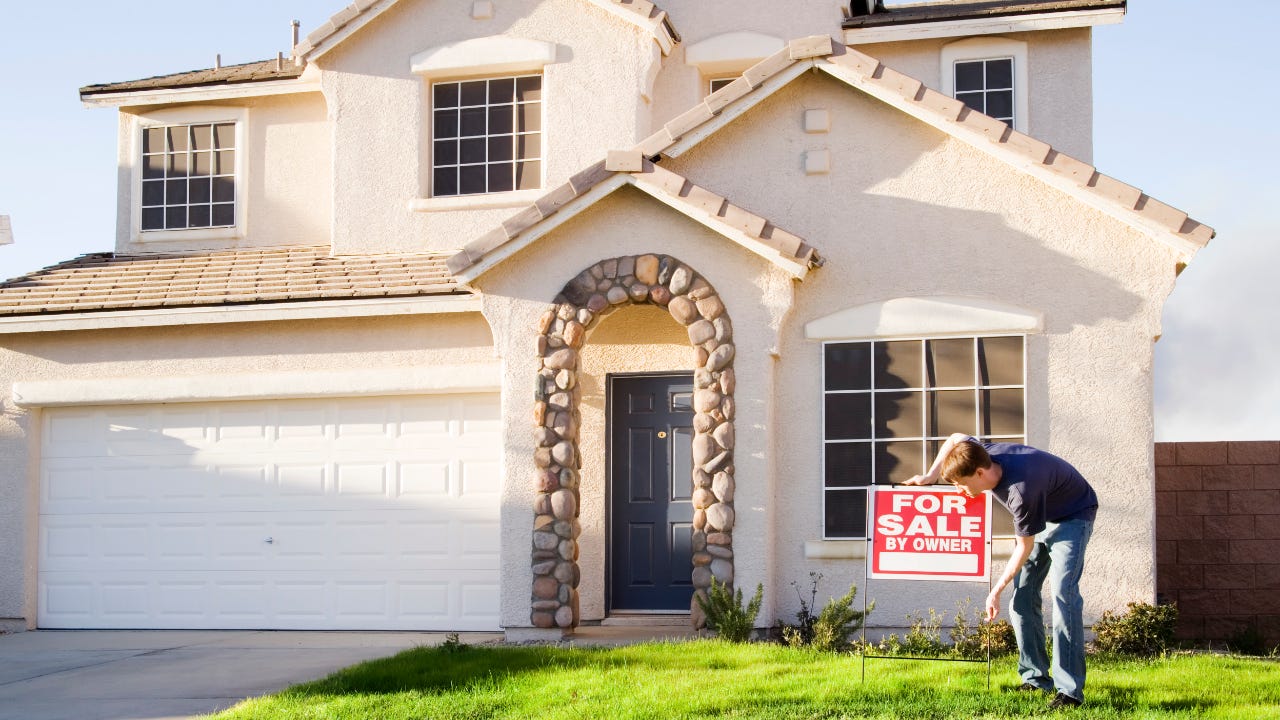
Selling your own property can put you in control of the entire transaction, from preparing the home to negotiating with prospective buyers. For homeowners who want direct involvement, choosing to sell home without a realtor can be a practical option when supported by research, organization, and careful decision-making.
However, independent selling involves more than finding someone interested in the property. You need to understand your local market, present the home effectively, manage inquiries, arrange viewings, evaluate offers, and handle important documentation.
A well-organized approach can make these responsibilities easier to manage.
Treat Your Home Sale Like a Project
One of the smartest ways to sell home without a realtor is to stop thinking about the transaction as one large task.
Instead, divide it into stages.
Your plan might include preparation, market research, property presentation, buyer outreach, viewings, negotiations, documentation, and closing.
Assign a realistic timeframe to each stage. This approach creates structure and helps prevent important details from being overlooked.
Set Clear Objectives Before You Begin
What does a successful sale look like to you?
Your answer might involve completing the transaction within a certain timeframe, finding a suitable buyer, maintaining control over negotiations, or coordinating the sale with another move.
Write down your priorities before marketing the property.
When decisions become more complicated later, those objectives can help keep your strategy focused.
Conduct a Pre-Sale Property Audit
Before inviting buyers into the home, inspect it carefully.
Start outside. Examine the entrance, driveway, landscaping, exterior surfaces, windows, and other visible areas.
Then move through the interior room by room.
Look for clutter, unfinished maintenance, damaged fixtures, poor lighting, and anything else that could distract prospective buyers.
The purpose of this audit is not to make the property perfect. It is to identify manageable improvements that could strengthen its presentation.
Concentrate on What Buyers Will Notice
Homeowners naturally become accustomed to their surroundings.
A buyer sees everything for the first time.
Try entering each room and asking what attracts your attention immediately. If the answer is clutter, a damaged fixture, or an overcrowded layout, consider addressing it before scheduling viewings.
Simple preparation can make rooms easier to evaluate.
Research Before Positioning the Property
Homeowners who sell home without a realtor need a realistic understanding of their market.
Research properties with characteristics similar to yours. Compare location, approximate size, condition, layout, lot features, parking, and meaningful improvements.
Avoid basing expectations on a single property.
Instead, review multiple examples to develop a broader understanding of what buyers may currently encounter in the market.
Market conditions also matter. Buyer activity and available inventory can influence how quickly properties attract attention.
Make Your Property Easy to Understand
Effective marketing should answer a basic buyer question: “Is this property worth investigating further?”
Clear photographs are essential. Clean and organize rooms before taking pictures, use good lighting, and choose angles that accurately communicate the layout.
Your description should complement the photographs.
Mention useful characteristics rather than relying on vague promotional language. Buyers typically want practical information that helps them decide whether a property matches their needs.
Accuracy Builds Buyer Confidence
Avoid exaggerating property characteristics.
A description that creates unrealistic expectations may attract initial attention, but disappointment during a viewing can undermine buyer confidence.
Accurate marketing helps attract people who are genuinely interested in what the property offers.
Explore the Right Selling Approach
Independent homeowners have different options for bringing properties to potential purchasers.
The appropriate method depends on the property, seller priorities, desired timeline, and local market conditions. Research how different approaches handle marketing, buyer participation, offers, and closing procedures.
Homeowners evaluating alternatives may find it useful to review local real estate auction opportunities while considering structured ways of presenting a property to interested buyers.
Whatever route you explore, understand its terms and responsibilities before proceeding.
Create a Buyer Communication System
Once inquiries begin, staying organized becomes critical.
Use a simple record to track each serious buyer. Note when they contacted you, what information they requested, whether they scheduled a viewing, and whether follow-up is needed.
This becomes particularly useful when several people contact you within a short period.
Prepare Frequently Requested Information
Buyers may ask similar questions repeatedly.
Prepare accurate information about property characteristics, improvements, utilities, possession expectations, and other relevant details.
When you do not know an answer, verify it before responding.
Reliable communication can help create a more professional experience for everyone involved.
Make Viewings Consistent
If you sell home without a realtor, you are responsible for creating a positive viewing environment.
Develop a simple routine before every appointment.
Clear counters, straighten rooms, open appropriate window coverings, improve lighting, remove unnecessary clutter, and ensure buyers can comfortably access important areas.
Consistency matters because every visitor should have a fair opportunity to evaluate the property.
Give buyers space during the viewing rather than following them closely through every room.
Use Feedback as Market Information
Some viewers will decide the property is not right for them. That is normal.
Instead of becoming discouraged, pay attention to recurring feedback.
One negative comment may simply reflect personal preference. Several similar comments may indicate something worth examining.
Repeated concerns about presentation, condition, information, or another factor can help you identify areas where your strategy might need adjustment.
Avoid Constant Changes
Feedback is useful, but reacting to every individual opinion can make your strategy inconsistent.
Collect enough information to identify patterns.
Then make deliberate changes based on evidence rather than emotion.
Prepare Your Negotiation Position Early
Do not wait until an offer arrives to decide what matters.
Determine your preferred closing timeline, flexibility regarding conditions, and other important terms beforehand.
When an offer arrives, examine the entire proposal.
A purchase amount is important, but it is not the only consideration. Conditions, deadlines, financing arrangements, and closing requirements may significantly affect the attractiveness of an offer.
Keep Negotiations Professional
Negotiating your own home can become emotional.
A buyer may identify faults, request changes, or submit terms that fall short of your expectations. Avoid viewing these actions as personal criticism.
Focus on whether the offer works for your situation.
If it does not, determine whether a reasonable counterproposal could address the differences.
Keep important agreements properly documented.
Pay Close Attention to Legal Documentation
Choosing to sell home without a realtor does not eliminate legal responsibilities.
Property transactions can involve contracts, disclosures, conditions, deadlines, and other significant documentation. Sellers should understand what they are agreeing to before signing anything.
Appropriate legal guidance can help clarify obligations and support proper completion of the transaction.
Keep your records organized throughout the sale so important documents are easy to locate when required.
Conclusion: Control Works Best With Preparation
Choosing to sell home without a realtor can provide homeowners with direct involvement in important decisions, but successful independent selling requires structure.
Begin by defining your objectives and auditing the property. Research the market, create accurate marketing, establish a system for buyer communication, and prepare thoroughly for viewings and negotiations.
Most importantly, stay objective.
Buyer feedback, changing market activity, and different offers provide information that can help you refine your strategy. Combine that information with careful documentation and appropriate professional guidance where needed.
When every stage is planned rather than improvised, homeowners can sell home without a realtor with greater organization, clarity, and confidence from preparation through closing.
