

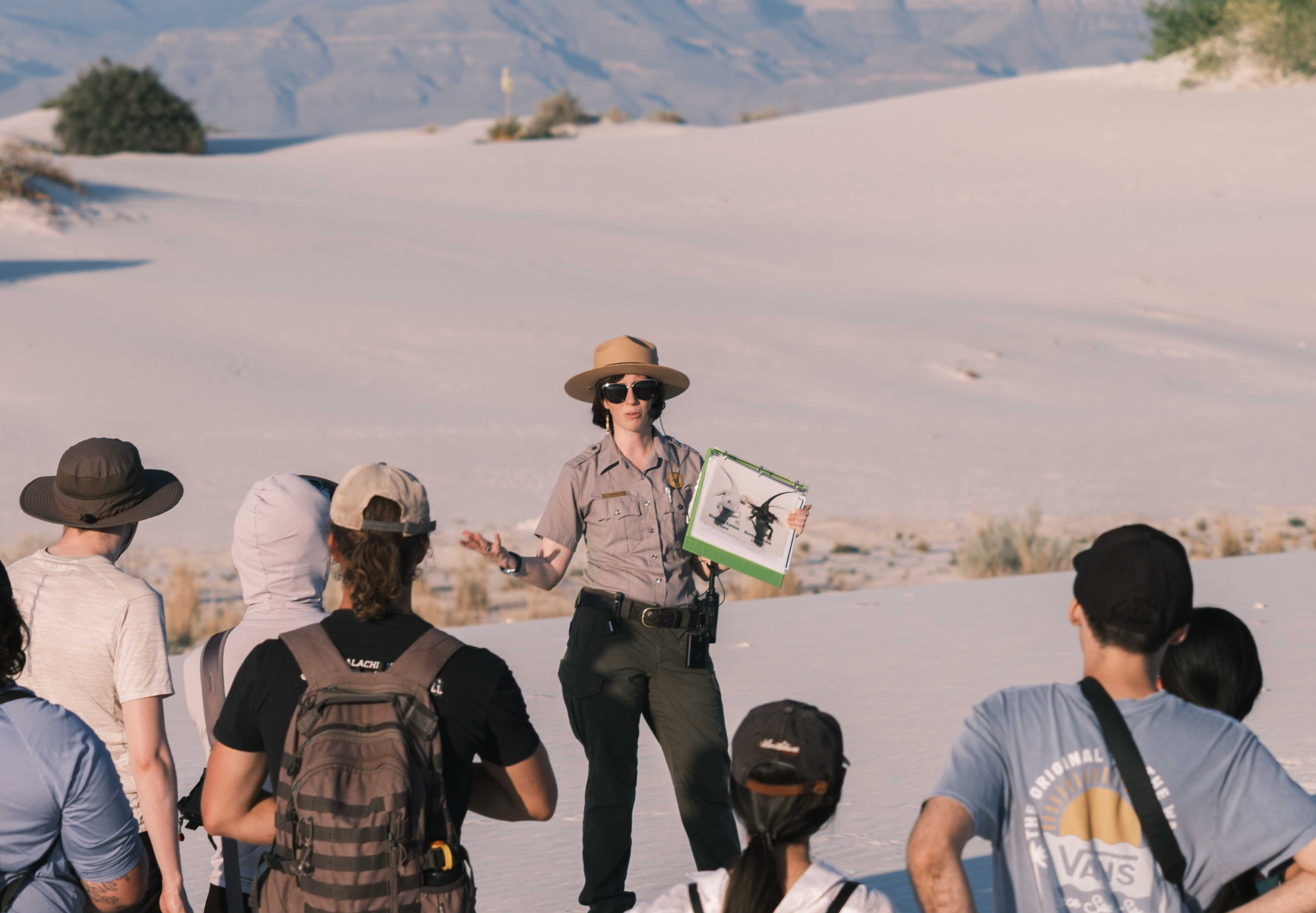
If you are planning your very first adventure, poland magazine has crafted the ultimate guide that will help you travel smarter, safer, and with more confidence. Whether you are exploring a new city, hiking in the mountains, or going on a beach vacation, this guide covers everything you need to know to make your trip stress-free and unforgettable. Traveling for the first time can feel overwhelming, but with the right preparation and mindset, it becomes one of the most rewarding experiences of your life.
Why Traveling for the First Time Feels Special
Taking your first trip is an unforgettable milestone. Everything is new — the excitement of booking tickets, packing your bags, seeing the airport for the first time, and stepping foot into a new destination. The thrill of exploring another culture, trying new foods, and meeting people from around the world is something you’ll never forget.
The Emotional Side of First-Time Travel
Many first-timers feel a mix of excitement and anxiety. You might worry about missing your flight, getting lost, or facing language barriers. But this nervousness is actually part of the adventure. As soon as you take that first step into a new city, you’ll feel empowered and more confident than ever.
Planning Your First Trip Like a Pro
The key to a smooth travel experience is careful planning.
Choosing the Right Destination
Pick a destination that matches your comfort level. If you are nervous, choose a place where the language and culture are not too different from your own. If you are more adventurous, go for a completely new experience — a country with a different language, food, and way of life.
Setting a Realistic Budget
Your budget will shape your trip. Consider transportation, accommodation, food, activities, and emergency funds. Don’t forget small expenses like souvenirs, tips, or public transport tickets.
Booking Flights and Accommodation
Book flights early to get the best deals. Look for flexible tickets in case your plans change. When booking accommodation, check reviews and safety ratings. For first-timers, staying in a centrally located hotel or guesthouse is ideal for convenience.
Packing Essentials for First-Time Travelers
Packing is one of the most common stress points for beginners.
Travel Documents
Your passport, visa (if required), flight tickets, and accommodation confirmations should be packed in a secure, easy-to-access folder. Make digital copies of all important documents and keep them in your email.
Clothing and Accessories
Pack versatile outfits that can be mixed and matched. Stick to comfortable shoes, especially if you plan on walking a lot. A light jacket, raincoat, and travel-sized toiletries are must-haves.
Tech Gear and Gadgets
Bring your phone, charger, power bank, headphones, and an international adapter. For photography lovers, a small camera can make a big difference.
Staying Safe and Healthy on Your First Trip
Safety is one of the most important concerns for first-time travelers.
Research Local Customs
Learn about local etiquette, dress codes, and cultural norms. This helps you avoid awkward situations and shows respect for the local culture.
Keep Emergency Contacts Handy
Save the local embassy or consulate number, emergency services, and your hotel’s contact information in your phone.
Health Precautions
If your destination requires vaccines, get them early. Carry basic medicines for headaches, stomach issues, and allergies.
Making the Most of Your Trip
Once you arrive, it’s time to enjoy every moment.
Explore Like a Local
Walk around, take public transport, try local markets, and eat where locals eat. This gives you an authentic experience.
Capture Memories
Take photos, but don’t forget to enjoy the moment without your phone too. Write in a journal or record short videos of your impressions.
Stay Flexible
Sometimes plans change — the weather might ruin an activity, or a place may be closed. Stay positive and look for alternative experiences.
Common Mistakes First-Time Travelers Make
Avoid these beginner mistakes to make your trip stress-free.
Overpacking
Carrying too much luggage makes traveling harder. Pack light and leave room for souvenirs.
Ignoring Local Culture
Be respectful — don’t be too loud in quiet areas, and learn a few basic words in the local language.
Not Planning Enough
While spontaneous travel is fun, first-timers should plan at least the basics — where to stay, how to get around, and key attractions to visit.
FAQs
What is the best way to save money on my first trip?
Book flights early, use budget accommodation like hostels or guesthouses, and eat at local food stalls instead of tourist restaurants.
Should I buy travel insurance for my first trip?
Yes, travel insurance is highly recommended. It protects you in case of flight cancellations, lost luggage, or medical emergencies.
How do I avoid getting lost?
Download offline maps before your trip, carry a physical map as backup, and ask locals for directions when needed.
How can I overcome fear of flying?
Prepare in advance, listen to calming music, choose a seat near the wing for less turbulence, and remember that flying is statistically one of the safest ways to travel.
How many days should my first trip be?
Start with a short trip, around 4–7 days. This gives you enough time to explore without feeling overwhelmed or homesick.
Conclusion
Your first trip is the start of a lifelong love for travel. With careful planning, the right mindset, and a bit of courage, you can make it an unforgettable experience. bulgariajournal believes that travel opens your heart, mind, and soul — and once you take that first journey, you’ll never look at the world the same way again. Pack your bags, stay curious, and go explore — the world is waiting for you.