

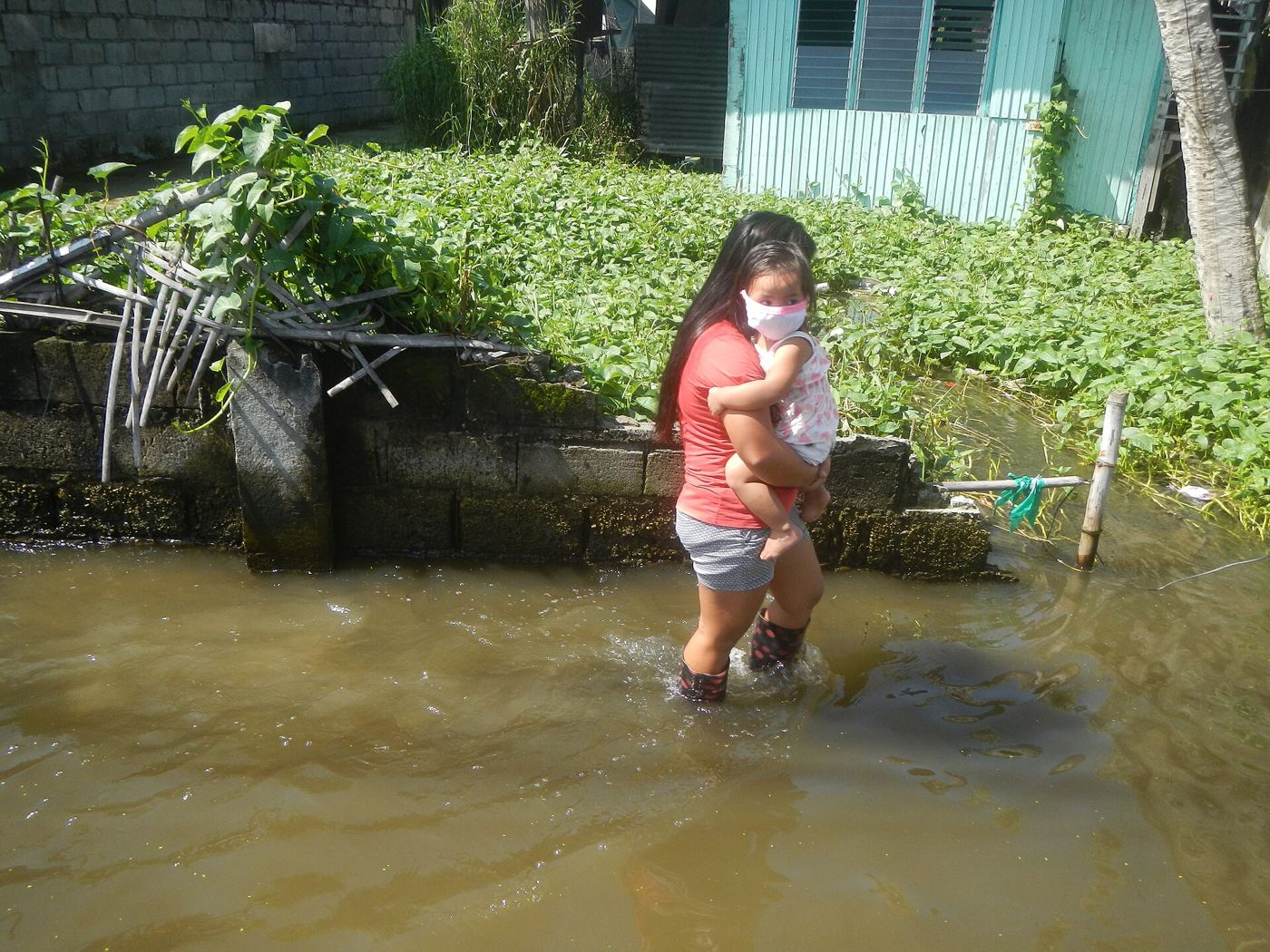
Two powerful typhoons struck the Philippines within a week in November 2026, killing at least 259 people between them. Typhoon Kalmaegi, known locally as Tino, made landfall in the central Philippines on November 4, triggering massive flooding and mudslides that left 232 people dead, 112 missing and more than 500 injured. Days later, Super Typhoon Fung-wong, known locally as Uwan, slammed into Luzon on the night of November 9, making landfall at Dinalungan in Aurora province with sustained winds of 185 kilometres per hour and gusts of up to 230. Fung-wong killed at least 27 people and displaced 1.4 million, and was the 21st tropical cyclone to hit the Philippines this year.
What the Evidence Shows
President Ferdinand Marcos Jr declared a national state of disaster to unlock emergency funds as rescuers used backhoes and chainsaws to dig through floodwaters and debris in hundreds of villages. Kalmaegi was the deadliest natural disaster to hit the Philippines this year, sweeping away cars, riverside homes and shipping containers in Cebu province, where a month’s rain fell in a single night. Fung-wong then crossed Luzon and weakened into a severe tropical storm as it dumped rain on Taiwan, where streets in Yilan County were left inundated with mud. More than 30 million people were exposed to Fung-wong’s dangers, and over a million were evacuated before it arrived, an effort officials say almost certainly saved lives. Reporting and analysis from sources such as Reuters track the same developments, and specialists following Philippines twin typhoons say the direction is now consistent across independent lines of evidence.
The Wider Context
The wider context is a public conversation conducted at a speed institutions were not built for. Developments around Philippines twin typhoons are announced, contested and revised within a single news cycle, and the officials involved have learned to publish evidence alongside claims so that scrutiny can actually occur. Trust, the polling suggests, follows that transparency more than it follows confidence.
What Happens Next
What happens next in the story of Philippines twin typhoons will be decided in the places where it is being implemented, measured and argued about in public. The officials and organisations involved have committed to publishing progress data, and that commitment gives residents, businesses and journalists something firmer than promises to judge. The next milestones are dated, which means they can be checked. You can follow related developments in our coverage of news.
There is a practical lesson in all of this for readers deciding what to do today. Start with the verified facts, be wary of anyone promising certainty, and prefer reversible steps while the evidence is still developing. Circumstances differ by country, income and personal situation, so general guidance should always be weighed against your own context before you act on it in any significant or lasting way.
