

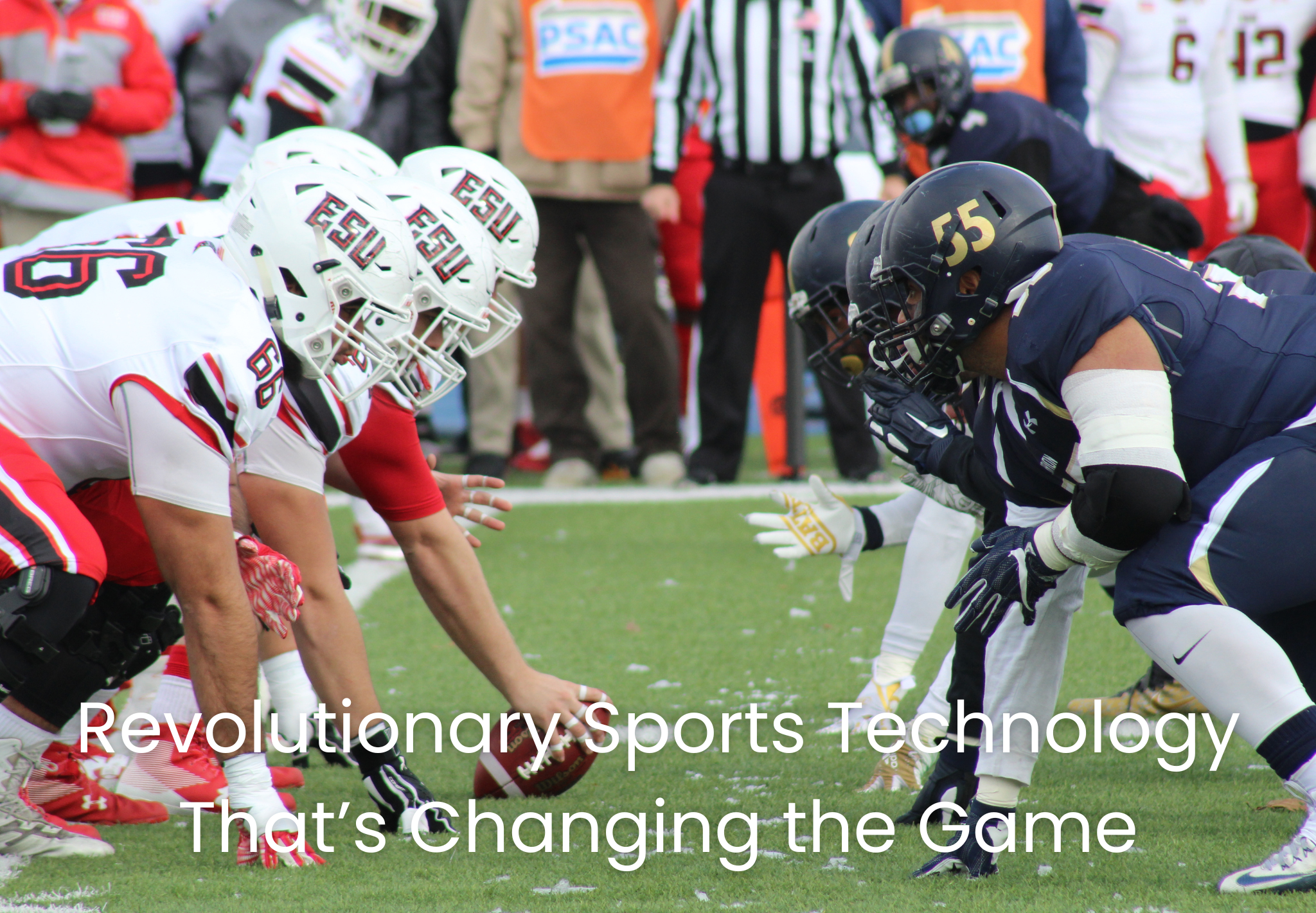
In today’s fast-paced world, the fusion of athletics and innovation is reshaping how sports are played, coached, and enjoyed. From smart wearables to AI-driven performance analysis, revolutionary sports technology that’s changing the game is transforming not only athletes’ training but also the fan experience. At Poland Magazine, we explore how these advancements are redefining modern sports and why they matter to players, coaches, and enthusiasts worldwide.
Why Sports Technology Matters More Than Ever
Sports have always been about passion, performance, and precision. But as competition intensifies, technology has stepped in to give athletes and teams an edge. The integration of revolutionary sports technology that’s changing the game is evident across every level — from grassroots training to professional championships.
The Three Pillars of Modern Sports Tech
Performance Enhancement – Helping athletes train smarter, prevent injuries, and optimize output.
Fan Engagement – Creating immersive experiences that connect supporters more deeply with the game.
Data-Driven Insights – Providing coaches and managers with real-time analytics to refine strategies.
Wearable Devices: A Game-Changer in Sports
Perhaps the most widely adopted innovation is wearable technology. From fitness trackers to advanced biometric monitors, wearables are revolutionizing training and performance.
Smartwatches and Fitness Trackers
Devices like Apple Watch and Garmin models provide real-time data on:
- Heart rate
- Calorie burn
- VO2 max levels
- Recovery time
GPS Tracking Vests
Professional teams use GPS vests to analyze:
- Player movement patterns
- Sprint speeds
- Heat maps of coverage
- Overall workload management
These insights are crucial in preventing overtraining while maximizing performance.
AI and Machine Learning in Sports
Artificial Intelligence is powering a revolutionary sports technology that’s changing the game at every level.
Performance Analysis with AI
AI-powered platforms break down complex data such as player speed, accuracy, and technique. For example:
- Soccer: AI analyzes passing accuracy and decision-making.
- Basketball: Motion-tracking AI assesses shooting angles and dribbling efficiency.
- Tennis: Smart AI cameras evaluate serve speed and ball spin.
Injury Prediction and Prevention
By studying biometric patterns, AI predicts potential injuries. This allows coaches to adjust training intensity before athletes get sidelined.
Virtual Reality (VR) and Augmented Reality (AR)
VR and AR are no longer limited to gaming—they’re changing the sports world.
VR Training Simulations
Athletes use VR to simulate game scenarios without physical strain. For instance:
- Quarterbacks practice reading defenses virtually.
- Boxers analyze sparring matches in 360°.
- Skiers rehearse dangerous slopes safely.
Augmented Reality for Fans
Fans experience AR overlays during live games, showing stats like player speed and live scoreboards directly on their devices.
Smart Equipment That Boosts Performance
Sports gear itself is getting smarter. This revolutionary sports technology that’s changing the game is found in everyday equipment.
Smart Balls
- Basketball: Sensors track dribbling and shooting accuracy.
- Soccer Balls: Embedded chips provide real-time trajectory data.
- Golf Balls: Measure distance and swing analytics.
Connected Footwear
Nike and Adidas have developed smart shoes that:
- Track running metrics
- Provide live feedback
- Adjust cushioning dynamically
Big Data Analytics in Sports
Data is the backbone of modern sports strategy. Teams no longer rely solely on intuition—they rely on data.
How Coaches Use Big Data
Performance Forecasting – Predicting player output before games.
Opponent Analysis – Studying rivals’ weaknesses in depth.
Game Strategy – Creating real-time adjustments based on analytics.
Fan Analytics
Teams also use data to understand fans better:
- Ticket-buying patterns
- Merchandise preferences
- Social media engagement
Drones in Sports Training and Broadcasting
Drones are bringing unique perspectives and analytics.
Training with Drones
- Recording aerial footage of plays
- Analyzing player spacing
- Studying defensive structures
Broadcasting with Drones
- Enhanced viewing angles for fans
- Real-time replays from unique vantage points
- Immersive live streaming
Esports and Technology Integration
Esports itself is a product of revolutionary sports technology that’s changing the game. Competitive gaming relies on:
- High-speed internet
- Advanced streaming tech
- AI-assisted match reviews
This expansion proves that technology is no longer just assisting sports—it is creating new sports altogether.
Challenges of Sports Technology
Despite its benefits, there are challenges.
Privacy and Data Concerns
Athlete biometric data must be securely stored and managed.
Cost of Implementation
High-tech solutions can be expensive for smaller teams.
Over-Reliance on Tech
Athletes must still balance instinct and skill, not just rely on analytics.
Future of Sports Technology
The future looks promising. The next wave of revolutionary sports technology that’s changing the game will include:
- AI-powered referees
- Brain-computer interfaces for training focus
- Advanced exoskeletons for injury recovery
- Fully immersive VR fan experiences
FAQs
What is the most revolutionary sports technology that’s changing the game today?
Wearable devices and AI-powered analytics are currently the most impactful innovations transforming both training and professional sports.
How does sports technology improve athlete performance?
It provides real-time biometric data, helps prevent injuries, and refines techniques through AI-driven insights and smart equipment.
Can fans benefit from revolutionary sports technology that’s changing the game?
Yes! Fans enjoy enhanced viewing experiences through AR overlays, VR replays, and drone-based broadcasting angles.
Is sports technology affordable for amateur players?
While elite-level tech can be costly, affordable versions like fitness trackers and smart apps are accessible to most athletes.
What is the future of revolutionary sports technology that’s changing the game?
Expect AI referees, immersive VR training, and advanced recovery tech to become mainstream in the coming years.
Conclusion:
From smart wearables and AI to VR simulations and drones, revolutionary sports technology that’s changing the game is redefining how we experience athletics. Athletes train smarter, coaches strategize better, and fans engage more deeply than ever before.
At Poland Magazine, we believe the fusion of technology and sports isn’t just about competition—it’s about pushing human potential to new heights. The question is no longer whether tech belongs in sports, but how far it will take us in the next decade.