

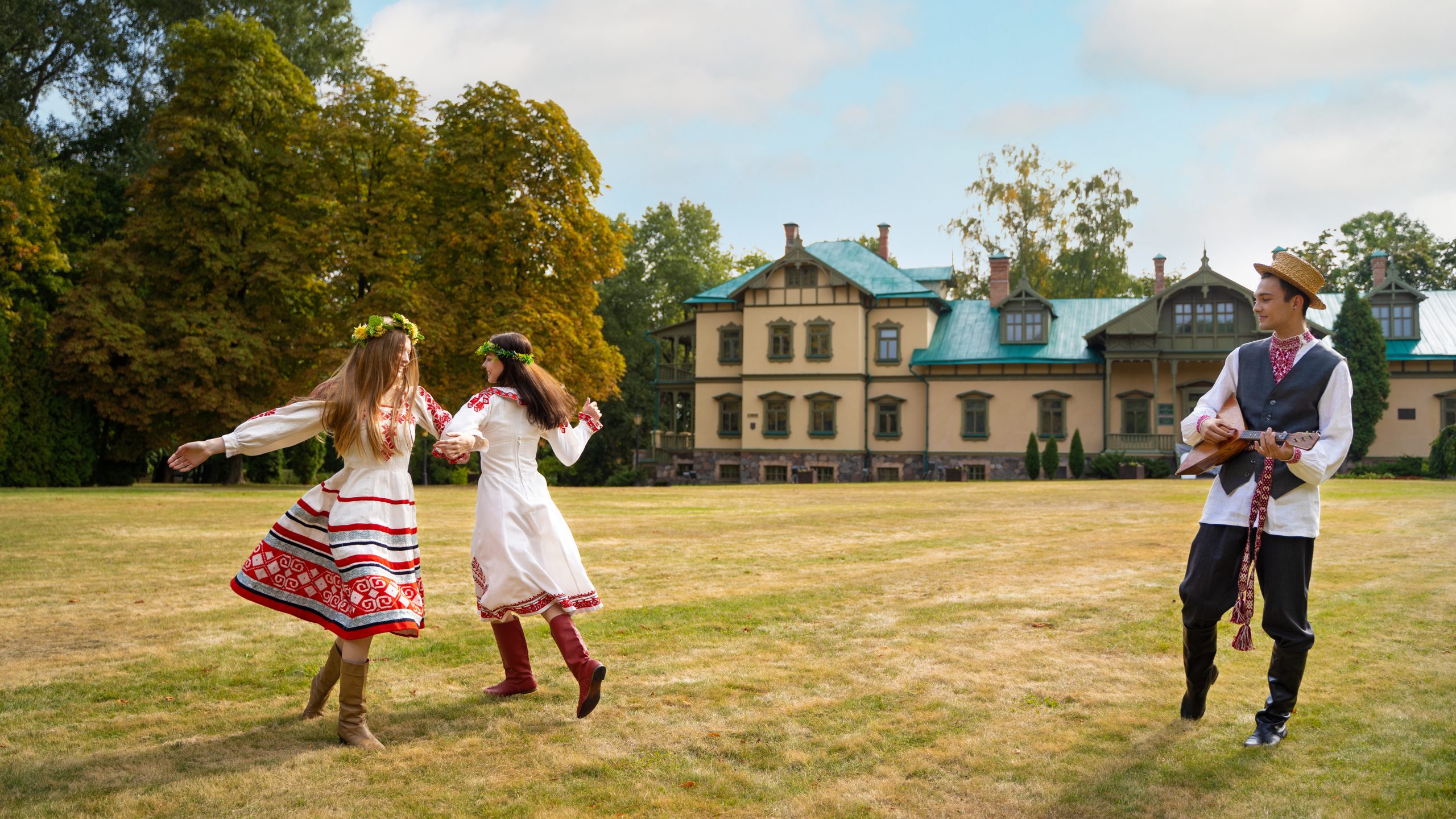
Poland Magazine invites you on a journey to uncover the remarkable cultural, historical, and natural heritage of Poland. From medieval castles to vibrant traditions, Poland is a country that bridges East and West, past and future. Its heritage is not only rooted in centuries of history but also alive in the daily lives of its people.
In this article, we will explore Poland’s diverse heritage from architecture, art, and folklore to cuisine, literature, and UNESCO treasures. Whether you’re a traveler, history enthusiast, or simply curious, Poland offers an endless array of stories waiting to be told.
Poland: A Land of Historical Layers
Poland’s history stretches back over a thousand years, shaped by monarchies, partitions, and resilience through adversity. Its strategic location in Central Europe made it a crossroads of cultures, trade routes, and battles. This layered history has left behind cities, monuments, and traditions that reflect a rich blend of influences.
- Medieval beginnings: The Piast dynasty laid the foundation of Poland in the 10th century, establishing Kraków and Gniezno as centers of power.
- Golden Age: The 16th century brought a flourishing of arts, sciences, and politics, with Poland-Lithuania emerging as one of Europe’s largest states.
- Partitions and struggles: The country’s heritage also includes resilience during times of partition by neighboring empires, uprisings, and the scars of World War II.
- Modern revival: Today, Poland is a proud member of the European Union, balancing tradition with progress while honoring its cultural roots.
Architectural Treasures Across Poland
Poland’s cities and towns are living museums of architecture, showcasing Gothic cathedrals, Renaissance squares, Baroque palaces, and modernist gems.
Kraków – The Medieval Jewel
Kraków, once the royal capital, is a UNESCO World Heritage Site. The Wawel Castle stands as a symbol of Poland’s monarchy, while the Main Market Square—the largest in Europe—buzzes with cafés, street performers, and the iconic St. Mary’s Basilica.
Warsaw – A Phoenix Reborn
Warsaw’s Old Town, meticulously rebuilt after World War II, represents resilience and dedication to heritage. The Royal Castle, Wilanów Palace, and modern skyline demonstrate how the city bridges past and present.
Gdańsk – Maritime Glory
This Hanseatic port city boasts red-brick Gothic buildings, the Neptune Fountain, and the Main Town Hall. Its architecture reflects centuries of trade and cultural exchange on the Baltic coast.
Malbork Castle – The Fortress of the Teutonic Knights
Recognized by UNESCO, Malbork Castle is the largest brick castle in the world. It’s a masterpiece of medieval military architecture and a symbol of Poland’s medieval heritage.
Poland’s UNESCO World Heritage Sites
Poland is home to 17 UNESCO World Heritage Sites, each highlighting its cultural and natural richness.
- Auschwitz-Birkenau: A solemn reminder of World War II’s tragedies.
- Białowieża Forest: A primeval forest home to European bison.
- Wieliczka and Bochnia Salt Mines: Underground cathedrals carved from salt, blending natural wonder with human craftsmanship.
- Historic centers: Kraków, Warsaw, Toruń, and Zamość represent architectural and urban achievements.
- Wooden Churches and Tserkvas: Unique examples of sacred wooden architecture in Southern Poland.
Cultural Traditions That Endure
Poland’s heritage is not only about monuments but also about living traditions.
Festivals and Folklore
Polish folklore is vibrant, with traditional dances like the Polonez and Mazurka performed during national celebrations. Festivals such as Wianki in Kraków or Dożynki harvest festivals connect modern communities to ancient rituals.
Handicrafts
From colorful Łowicz paper cuttings to intricately painted Pisanki Easter eggs, Poland’s crafts reflect creativity passed down generations. Regions like Podhale are famous for woodcarving and Highlander (Góral) culture.
Music and Literature
Poland’s musical heritage is world-renowned, thanks to composers like Frédéric Chopin. Contemporary festivals such as the Warsaw Autumn celebrate classical and experimental music. In literature, Nobel laureates like Wisława Szymborska and Olga Tokarczuk carry forward Poland’s storytelling tradition.
Poland’s Culinary Heritage
Food is a central part of cultural identity, and Poland’s cuisine tells stories of family, history, and regional diversity.
- Pierogi: Dumplings filled with cheese, potatoes, meat, or fruit, beloved by all.
- Bigos: Known as “hunter’s stew,” a rich dish made with sauerkraut, meats, and spices.
- Żurek: A sour rye soup served with sausage and egg, especially during Easter.
- Oscypek: Smoked cheese from the Tatra Mountains, a unique regional specialty.
- Makowiec: A poppy seed cake enjoyed during Christmas and other celebrations.
Each dish carries influences from neighboring countries, reflecting Poland’s crossroads of cultures.
Natural Heritage and Landscapes
Beyond its cities, Poland’s natural heritage is breathtaking.
- Tatra Mountains: A paradise for hikers and skiers, home to Highlander traditions.
- Mazury Lakes: Known as the “Land of a Thousand Lakes,” perfect for sailing and relaxation.
- Baltic Coast: Sandy beaches, dunes, and the picturesque city of Sopot.
- Białowieża Forest: One of Europe’s last primeval forests, sheltering diverse flora and fauna.
These landscapes are not only tourist destinations but also integral parts of Poland’s identity and heritage.
Poland’s Religious and Spiritual Heritage
Religion has played a central role in shaping Poland’s traditions and identity.
- Catholicism: Poland remains one of Europe’s most Catholic nations, with sacred sites like Jasna Góra Monastery in Częstochowa, home to the revered Black Madonna icon.
- Multiculturalism: Historically, Poland was a land of coexistence, where Jewish, Orthodox, Protestant, and Catholic traditions intermingled.
- Pilgrimages: Events like the annual pilgrimage to Częstochowa draw millions of visitors seeking spiritual connection.
Poland in Arts and Modern Culture
Poland’s heritage also shines in contemporary creativity.
- Cinema: Directors like Andrzej Wajda and Krzysztof Kieślowski shaped world cinema.
- Theatre: Avant-garde movements, inspired by Jerzy Grotowski, continue to influence global performance arts.
- Design and innovation: Today, Poland’s fashion, architecture, and digital arts blend tradition with modernity.
Preserving Poland’s Heritage
Efforts to preserve Poland’s heritage are ongoing:
- Restoration of historic buildings after wartime destruction.
- Promotion of folk traditions in schools and communities.
- Environmental protection of national parks and forests.
- Digital archives preserving documents, literature, and art.
Organizations, museums, and local communities all contribute to keeping heritage alive for future generations.
FAQs on Poland’s Rich Heritage
Q1. What is Poland most famous for historically?
Poland is renowned for its medieval castles, resilience through history, and cultural icons like Chopin. Its role in World War II also left a significant mark.
Q2. Which Polish cities best showcase its heritage?
Kraków, Warsaw, Gdańsk, Wrocław, and Toruń are top destinations for exploring Poland’s cultural and architectural legacy.
Q3. What are must-try traditional Polish foods?
Pierogi, bigos, żurek, oscypek cheese, and makowiec are among the highlights of Polish cuisine.
Q4. How many UNESCO World Heritage Sites are in Poland?
Poland has 17 UNESCO sites, including historic cities, castles, wooden churches, and natural wonders like Białowieża Forest.
Q5. Is Poland’s heritage influenced by other cultures?
Yes, Poland’s position in Central Europe means its traditions blend influences from German, Russian, Jewish, and Lithuanian cultures.
Conclusion
Poland’s rich heritage is a tapestry woven from history, culture, traditions, and landscapes. From the medieval streets of Kraków to the melodies of Chopin, from hearty pierogi to sacred pilgrimages, every aspect of Poland tells a story.
At Poland Magazine, we believe that exploring this heritage is not just about the past—it’s about understanding the present and shaping the future. Whether you’re planning a visit or simply learning from afar, Poland’s heritage offers inspiration, beauty, and a deep sense of resilience that continues to shine today.