

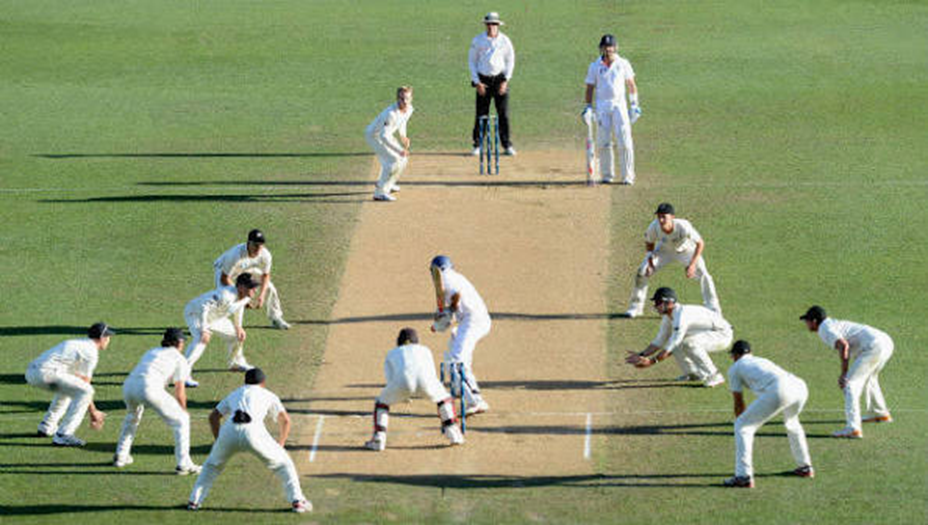
Live sports used to be a one-way deal: broadcast talks, fans listen, that’s it. Now it’s closer to a live room where everyone has something to say and the platform keeps nudging people to react, predict, clip, and share. Not always quietly, either.
You can see this shift in places like live cricket tamasha, where the match experience isn’t just “play video.” It’s built around live context and real-time touchpoints that make fans feel involved instead of parked in front of a feed.
The second screen became part of the sport
Most fans already watch with a second screen open. They’re in group chats, checking ball-by-ball updates, arguing on social media, looking up stats. Platforms noticed and decided to pull that behavior inside the product.
That’s why interactivity now includes:
- live timelines and event markers
- quick replays tied to specific moments
- real-time stats that update instantly
- chat and reactions that make viewing feel social
Instead of fighting distraction, streaming platforms turned distraction into the format.
Predictions and polls create “micro-stakes”
Not every interactive feature needs money behind it. “Micro-stakes” can be as simple as wanting to be right.
Platforms push prediction-style interaction because it works:
- “Who wins this over?”
- “Next wicket: caught or bowled?”
- “Will the batter reach fifty this session?”
These prompts do something sneaky. They convert the viewer from observer to participant. Once someone makes a prediction, they care more about the next ball. It’s basic psychology, but it’s effective.
Real-time data overlays make fans feel smarter
Cricket is a perfect sport for interactive layers because strategy and momentum actually matter. A chase isn’t just a chase. It’s required rate, risk, matchups, pressure overs.
So platforms add overlays like:
- run rate comparisons
- win probability swings
- partnership tracking
- batter vs bowler stats
Done well, it feels like having a smart friend sitting next to you, pointing out what’s important. Done badly, it’s clutter. The best services keep it readable and optional.
Instant clipping turned fans into distributors
This is one of the biggest changes in sports media. Fans don’t just watch moments. They spread them.
Streaming platforms now support:
- fast highlight clips for wickets and boundaries
- share links that work across apps
- short recap packages for people who missed a chunk of play
This keeps the match alive outside the stream. Someone sees a clip, gets curious, jumps back into the live feed. Interactivity becomes a loop: watch, share, return.
Chat and community features recreate the stadium feeling
Cricket has always been social. The stadium crowd, the cheers, the collective tension. Online viewing can feel lonely without that shared energy.
That’s why chat, reactions, and community cues matter:
- seeing thousands of viewers reacting in real time
- feeling the mood shift after a big review
- watching arguments break out after a questionable call
It’s messy sometimes. But “messy” is often another word for alive. Platforms just have to moderate well enough that it doesn’t turn into a toxic swamp.
Low latency made interaction possible without feeling weird
Interactivity fails when timing is off. If chat reacts before the video shows the moment, the experience feels broken. If the stream lags, predictions feel pointless. If overlays update too early, they become spoilers.
So the push toward lower latency isn’t just technical bragging. It’s what makes the interactive layer believable.
When everything is synced:
- reactions land on time
- stats feel trustworthy
- the match feels truly live
That sync is the difference between a modern experience and a delayed broadcast with buttons on top.
Mobile-first design encourages tapping, not just watching
Interactivity thrives on mobile because phones are built for small actions: tap, swipe, vote, react. It’s effortless.
A well-designed mobile stream makes it easy to:
- jump to key moments
- pull up stats without losing the match
- respond to prompts quickly
- switch between live feed and updates
On a TV remote, interactivity is work. On a phone, it’s automatic.
The business side: platforms want time, not just views
Traditional broadcasts measured success in ratings. Streaming measures everything: time watched, moments replayed, interactions per minute, drop-off points.
Interactive features are designed to:
- keep viewers from leaving during slower phases
- create habits (“check in, vote, react”)
- turn passive minutes into active engagement
That’s why interactivity keeps increasing. It’s measurable, and it directly impacts retention.
What viewers should expect next
Interactivity is still evolving, and the next wave is likely to focus on:
- more customizable overlays (less clutter, more control)
- multi-view and angle switching for certain sports
- smarter “what you missed” summaries mid-match
- tighter integration with community features and watch groups
But the winners won’t be the loudest platforms. They’ll be the ones that keep interaction lightweight. Nobody wants a match buried under pop-ups.
The takeaway
Live sports streaming is becoming more interactive because fans already behave interactively. They talk, predict, share, and analyze in real time. Platforms are simply building that behavior into the viewing experience and making it easier to do without leaving the stream.
In a world where attention is constantly being pulled away, interactivity is how live sports keeps people present. And when it’s done right, it doesn’t feel like “features.” It feels like being part of the match.