

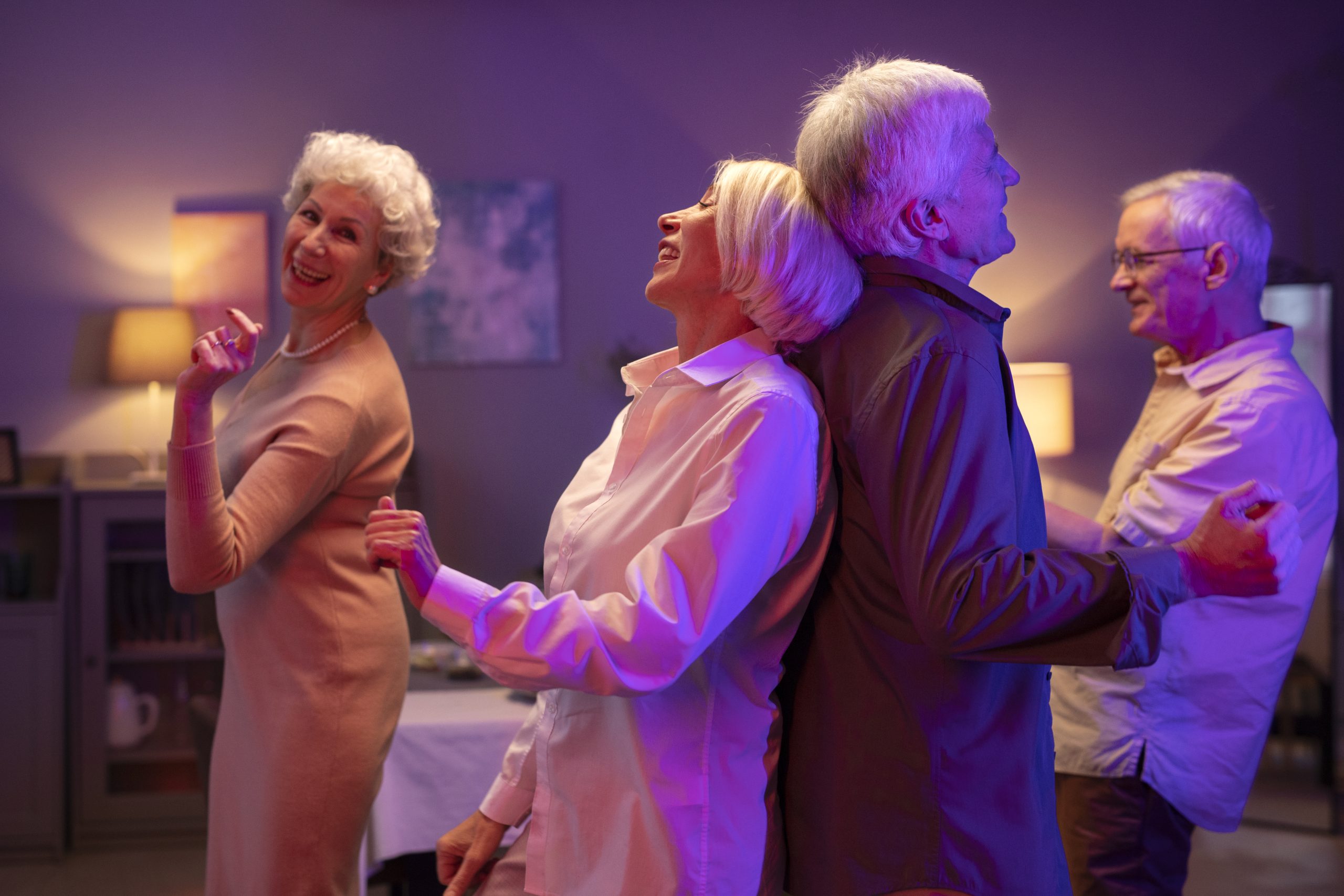
From ancient rituals to modern concerts, music and dance have always united people across time and culture. They transcend age, language, and even geography, weaving invisible threads between grandparents, parents, and children. Today, in a world often marked by generational divides, these art forms still serve as timeless bonds.
At Poland Magazine, we explore how melodies and movement act as bridges between the past and the future, carrying forward traditions while welcoming new creativity. Let’s journey through history, psychology, and lived experience to understand why music and dance remain so powerful in shaping family, community, and heritage.
The Ancient Roots of Music and Dance
Humanity’s earliest expressions were not written words but rhythm and movement. Archaeological findings suggest that even 40,000 years ago, our ancestors used primitive instruments made from bones and natural materials. Alongside these sounds, ritual dances emerged as ways of storytelling, worship, and social bonding.
- Cultural rituals: In many societies, dance marked key moments of life—birth, marriage, harvest, and even death.
- Oral traditions: Before written scripts, stories were preserved through chants and choreographed movements.
- Spiritual connection: Shamans and spiritual leaders used drums and body movements to connect with the divine.
What’s striking is how similar these early practices feel to what we still do today—sing lullabies to children, dance at weddings, and sing together at festivals. Generations may change, but the essence of shared rhythm remains.
The Family Circle: Passing Songs and Dances Down
One of the most intimate ways music and dance travel through time is within families. Parents hum the same lullabies they once heard from their own parents. Grandparents teach grandchildren folk dances that have been performed for centuries.
- Lullabies & bedtime songs: Universally present in almost every culture, they comfort babies while strengthening emotional bonds.
- Family gatherings: In Poland and many parts of Europe, family celebrations often involve traditional songs and dances passed from elders to youth.
- Shared practice: Families playing instruments, singing in choirs, or dancing together sustain traditions and create intergenerational joy.
Even when music tastes shift—say, from classical polkas to pop or hip-hop—the act of sharing music builds memories that last.
Music & Dance as Cultural Memory
Every culture carries its identity in the rhythms and movements of its people. Traditional Polish dances such as the Mazurka, Polonaise, and Oberek tell stories of resilience, pride, and joy. These dances are not only artistic performances but also carriers of memory.
Similarly, folk songs often contain historical narratives, moral lessons, or prayers for well-being. When passed from one generation to the next, they remind us of where we come from, helping young people stay rooted while embracing modernity.
The Science of Sound and Movement
Why do these arts connect us so deeply across ages? Science provides part of the answer:
- Neurological bonding: Listening to or creating music activates the brain’s pleasure centers, releasing dopamine. Shared experiences of rhythm synchronize brain activity, fostering unity.
- Motor memory: Dance routines, once learned, become embodied knowledge. A grandmother can still remember steps from her youth, teaching them to grandchildren decades later.
- Emotional regulation: Music and dance reduce stress and anxiety, which explains why they are used in both therapy and education.
- Mirror neurons: Watching someone dance or perform music activates similar brain areas as if we were doing the activity ourselves—making these art forms contagious and inclusive.
When Generations Clash in Taste
Of course, not all is harmonious. Teenagers may dismiss their parents’ favorite songs as “old-fashioned,” while parents may find new dance crazes confusing. Yet even these clashes open dialogue.
- Parents often introduce children to timeless classics.
- Children, in turn, expose parents to new genres, from K-pop to electronic dance music.
- Some families find a middle ground—going to concerts together, or learning TikTok dances side by side.
The very tension in taste becomes a bridge, as each generation learns tolerance and curiosity.
Festivals and Celebrations: Collective Bonds
Beyond the family, music and dance unite whole communities. Think of:
- Folk festivals: In Poland, events like the International Festival of Highland Folklore in Zakopane showcase traditional music and dance, attracting all age groups.
- Religious ceremonies: Hymns, choirs, and processions connect believers across generations.
- National events: Patriotic songs sung at independence celebrations ignite a shared identity.
- Modern concerts: From rock to jazz festivals, people of all ages gather, creating intergenerational crowds.
In each case, music and dance build bridges between strangers, strengthening cultural continuity.
Modern Platforms: Digital Sharing Across Ages
Technology has reshaped how music and dance travel between generations. Platforms like YouTube, TikTok, and Spotify allow both old and new styles to circulate widely.
- A teenager might remix a classical Polish song into a hip-hop track.
- A grandmother may go viral dancing with her grandchildren to pop songs.
- Families separated by distance share playlists or record video calls where they sing together.
In this way, the digital era revives traditions rather than replacing them. Music and dance now travel faster and reach wider audiences, making generational sharing easier than ever.
Healing and Therapy: Music & Dance Across Ages
Music and dance are not just entertainment; they are also powerful forms of therapy.
- Elderly care: Music therapy helps dementia patients reconnect with memories. A familiar song can unlock forgotten moments, allowing seniors to bond with their families.
- Child development: Dance improves motor skills, coordination, and self-confidence in children.
- Trauma healing: Shared movement, like group dance or drumming circles, can help communities heal after crises.
When practiced across generations—grandparents dancing with grandchildren, or parents singing with children—the therapeutic effects multiply, deepening bonds.
The Global Dimension: Music & Dance as Universal Language
Although our focus is on Polish traditions, it is impossible to ignore how global music and dance connect generations worldwide.
- In Africa, drumming traditions pass from elders to youth, carrying spiritual and historical meaning.
- In India, classical dance forms like Bharatanatyam are taught to young students by gurus, keeping centuries-old art alive.
- In Latin America, salsa and tango remain intergenerational dances performed at community events.
- In the U.S., gospel, jazz, and hip-hop link cultural memory with modern expression.
No matter where you look, the story is the same: the old and new meet in rhythm and motion.
Challenges to Generational Continuity
Despite their power, music and dance face threats in passing down across generations:
- Commercialization: Pop culture sometimes overshadows folk traditions.
- Migration: Young generations living abroad may lose touch with ancestral dances or songs.
- Time pressure: Busy lifestyles leave less space for collective music-making or dance practice.
However, many cultural institutions, schools, and local communities are working to revive traditions, ensuring they don’t vanish.
FAQs
Q1: Why are music and dance important across generations?
Because they transmit culture, create shared memories, and strengthen emotional bonds within families and communities.
Q2: How do traditional dances survive in modern times?
Through festivals, cultural education, and family traditions. Today, digital platforms also help preserve and spread them.
Q3: Do younger generations care about folk music and dance?
Yes, though they may reinterpret them. Many youth remix traditional songs or use folk-inspired dance steps in modern choreography.
Q4: Can music and dance really help with memory loss in the elderly?
Absolutely. Studies show that familiar songs and simple dance routines can trigger memory recall and improve mental health in seniors.
Q5: How can families strengthen bonds through music and dance?
By singing together, attending concerts, learning traditional dances, or even participating in fun modern trends like TikTok challenges.
Conclusion
From ancient rituals to digital platforms, from lullabies to viral dance challenges, music and dance remain timeless connectors between generations. They are threads of continuity, resilience, and joy—reminding us that while languages and lifestyles may change, rhythm and melody endure.
At Poland Magazine, we believe that nurturing these traditions is not just about preserving the past—it’s about creating a shared future where all generations can meet in harmony.
Whether you are a grandparent humming a lullaby, a teenager remixing a folk song, or a